
Areas of Study
Select your subject or discipline below.
Summary:
Taxation 2 (RoI) 2026–2027 is the taxation textbook for students on the Chartered Accountants Ireland CA Proficiency 2 course.
ISBN: 9781917822244
Published: 26/08/2026
Format: Paperback, 464 pages
Taxation 2 (RoI) 2026–2027 is the taxation textbook developed for students on the Chartered Accountants Ireland CA Proficiency 2 course (CAP 2). Building on the taxation principles covered at CA Proficiency 1, Taxation 2 (RoI) develops a more complete understanding of the tax system in the Republic of Ireland. More complex matters of income tax, corporation tax, capital gains tax and VAT are covered, with capital acquisition tax and stamp duty comprehensively introduced, providing the student with the knowledge and skills to apply the relevant tax legislation, procedures and practices to a broader range of issues. It is up to date to Finance Act 2025.
Written in a clear and concise style, with extensive examples throughout and questions and solutions at the end of each chapter, Taxation 2 (RoI) addresses the core competencies of:
the concepts of residence, domicile and ordinary residence and the associated tax treatment for individuals and companies in respect of income tax, corporation tax and CGT;
the income tax implications of termination payments, retirement lump sum payments and employment incentive schemes;
for corporation tax, close company rules, groups of companies and the taxation of directors and shareholders;
the appropriate reliefs and exemptions for CGT;
the general principles for the administration and computation, including reliefs and exemptions, of capital acquisition tax and stamp duty;
the VAT treatment of partially exempt supplies, cross-border transactions, the sale of land and property, the transfer of a business and VAT for groups of companies;
the operation of Revenue compliance interventions, the penalty regime and the tax appeals process.
Taxation 1 (RoI) 2026–2027 is the taxation textbook for students on the Chartered Accountants Ireland CA Proficiency 1 course.
ISBN: 9781917822220
Published: 26/08/2026
Format: Paperback, 464 pages
Written in a clear and concise style with extensive examples throughout and questions and solutions at the end of each chapter, Taxation 1 (RoI) provides the student with the core competencies to:
apply the general principles for the administration and computation of income tax, corporation tax, capital gains tax and VAT;
identify and quantify income that is liable to income tax;
apply appropriate reliefs, allowances and credits to calculate personal tax liabilities;
identify and quantify sources of income that are subject to corporation tax, including chargeable gains and losses;
identify when capital gains tax applies and any appropriate reliefs and exemptions;
identify the supplies of goods and services that attract a charge to VAT;
calculate the VAT liability of a business and understand the necessary arrangements to fulfill key VAT obligations.
This unique Irish textbook by Christine Nangle is designed to inform students about the background to auditing and then lead them in detail through the practicalities of the auditing and assurance process.
ISBN: 9781913975258
Format: Paperback, 1008 pages
This unique Irish textbook covers the entire audit process undertaken by independent external auditors, culminating in their independent auditor’s report. It is designed to inform students about the background to auditing and then lead them in detail through the practicalities of the auditing and assurance process.
External Auditing and Assurance: An Irish Textbook illustrates the context of the external auditing process as it relates to an entity's financial statements. The audit process is treated as a continuous discussion directly related to the final outcome, i.e. the auditor’s report, and the financial statements to which it refers. The specific audit procedures for each cycle in a set of financial statements are explained in detail, with worked examples that replicate the audit working papers and other documentation to complement this applied approach.
For this 4th Edition the text has been extensively updated to reflect the most recent ethical and auditing standards as issued by the IAASA and the FRC (as at 1 January 2022), including the new standards on quality management. Developments in the auditor's regulatory environment in both Ireland and the UK are explained, as well as relevant changes in company law and corporate governance.This edition also considers the wider issues affecting auditing, such as the impact of geopolitical events, and their implications for auditors.
Some key features of this new edition also include:
an extensively revised chapter on the application of data analytics, robotic process automation, artificial intelligence, blockchain and cloud computing and their impact on the audit;
an increased focus on professional scepticism and professional judgement;
a new chapter on non-audit engagements.
Contents
Introduction (including future developments in auditing and assurance)
Part I – The External Auditing and Assurance Environment
External Auditing and Assurance
Ethics and Corporate Governance
Fraud and Compliance with Laws & Regulations
Part II – The Audit and Assurance Process: Planning and Controls
The Audit Process
Audit Acceptance and Planning
Gathering Audit Evidence
The Risk Assessment Process
Controls and Control Testing
Computer-Assisted Audit Techniques and Other Technology Considerations
Using the Work of Others
Part III – The Audit and Assurance Process: Substantive Procedures
The Audit of Property, Plant and Equipment
The Audit of Inventory
The Audit of Revenue and Receivables
The Audit of Bank and Cash
The Audit of Investments
The Audit of Purchases and Payables
The Audit of Share Capital and Reserves
Part IV – The Audit and Assurance Process: Conclusion and Reporting
Audit Completion Procedures
Audit Reports
Group Audits
Part V – Non-Audit Engagements
21. Non-Audit Engagements
Appendix A – Large Company Ltd – Directors’ Report and Financial Statements
Appendix B – Suggested Solutions to Review Questions
Glossary
Summary:
This seminal textbook, written by a leading academic with extensive experience in accountancy education and practice, is designed to provide students with the knowledge and skills to appraise underlying accounting concepts and apply International Accounting Standards (IASs) and International Financial Reporting Standards (IFRSs). Accordingly, this 7th Edition has been fully revised to reflect the requirements of all extant IASs and IFRSs at 31 March 2026, including IFRS 18 Presentation and Disclosure in Financial Statements.
Publisher: Chartered Accountants Ireland
ISBN: 9781917822190
Pub Date: August, 2026.
Format: Paperback, 1,134 pages.
International Financial Accounting and Reporting is particularly suitable for the intermediate and advanced levels of undergraduate accounting degree programmes, together with postgraduate and professional courses. The format and presentation of the text is designed to inform and teach the reader about the application of IASs and IFRSs in an understandable and structured manner.
Key features of the 7th Edition includes:
consideration of the impact of IFRS 18 on each topic covered;
discussion of accounting and professional ethics (with related questions and solutions);
eight chapters that deal comprehensively and specifically with accounting for business combinations;
separate chapters addressing issues such as the accounting treatment of financial instruments, employee benefits and share-based payments;
an explanation of the principal accounting and disclosure differences between IASs/IFRSs and FRS 102 The Financial Reporting Standard applicable in the UK and Republic of Ireland; and
an extensive range of Review and Challenging Questions, together with full solutions.
About the Author:
Ciaran Connolly was Professor of Accounting in Queen’s University Belfast, retiring in July 2025. A fellow of Chartered Accountants Ireland, he holds a DPhil from the University of Ulster and an MBA from Queen’s University Belfast. Ciaran’s teaching interests are in the areas of financial accounting and not-for-profit accounting. His main area of research is in the field of public services, particularly the financial and performance measurement aspects of the charity and public sectors, and he has published extensively on these subjects.

Designed to make consolidation more approachable for the student, this textbook by Paul Mahony & Niall MacLochlainn leads the reader step-by-step through the consolidation of financial statements, supported by numerous examples, comprehensive questions and fully worked solutions.
The preparation and presentation of consolidated financial statements is a large and complex area of study that forms an integral part of the financial accounting/corporate reporting syllabi of the accountancy bodies and most accounting, commerce and business studies degree programmes.
Written and designed to make consolidation more approachable for the student, this book leads the reader, using a step-by-step approach, through the consolidation of financial statements, supported by numerous examples, comprehensive questions and fully worked solutions including those from past professional accountancy examination papers.
This 3rd edition is updated to incorporate changes to relevant accounting standards since the 2nd edition (2013) and is up to date to 31 December 2016. This new edition also includes new chapters on:
business combinations achieved in stages; and
vertical/complex group holdings.
Key features of this textbook:
Advice on how to approach examination questions on consolidation.
Worked examples and solutions throughout the text.
A large and comprehensive question bank, requiring the preparation and presentation of a consolidated:
Statement of Financial Position;
Statement of Profit or Loss and Other Comprehensive Income;
Statement of Changes in Equity involving a parent, a subsidiary and a joint venture.
Solutions to all of the questions and a comprehensive set of journal entries dealing with the consolidation procedures and all the ‘complications’.
Workings for questions and worked examples requiring the preparation of a consolidated statement of financial position are presented using both the more traditional T-account method as well as the columnar method now adopted by many lecturers and students.
ISBN: 9781910374771
Published: 18/07/2017
Format: Paperback, 386 pages
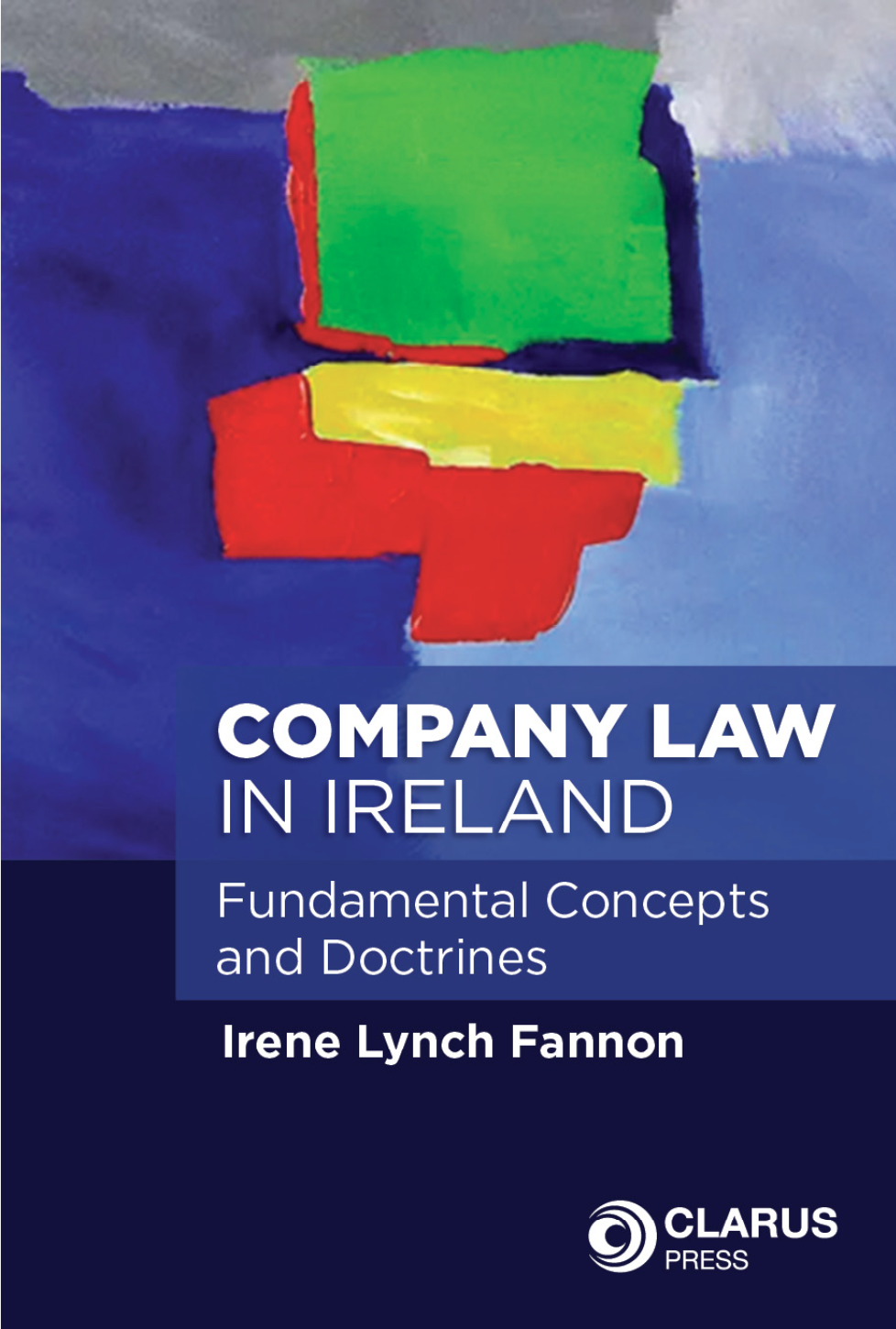
By Irene Lynch-Fannon
Published: Autumn 2026
Format: Paperback
Edition: 1st
Extent: 500 Pages
ISBN: 9781917134194
Dimensions: 234 × 156mm
Publisher: Clarus Press
Developed over 30 years’ of research and teaching company law the author takes an innovative approach to explaining and developing for students and practitioners topical concepts and doctrines that dominate company law issues in Ireland. Company Law in Ireland: Fundamental Concepts and Doctrines gives the reader a critical overview and in-depth analysis of existing company law principles and future trends. Each subject begins with a discussion of modern issues considered through the lens of precedent and statutory developments that have led us to the point at which the law is now developing. This innovative approach is presented as an alternative to the descriptive overview of company law which may be found in other textbooks or sources. Company Law in Ireland: Fundamental Concepts and Doctrines is an analytical and insightful resource where the reader will find substantial references to other works and materials (including Governance Codes and other relevant EU and government reform proposals), thus contributing to the enrichment of Irish scholarship and expertise, for both practical and academic purposes, rather than a work that simply provides a step-by-step reference guide as can be found in existing texts.
Content Includes
• Prologue: Introduction to the Limited Liability Company
• Chapter 1: The Limited Liability Company: Fundamental Concepts and Doctrines
• Chapter 2: Shareholders as Owners
• Chapter 3: Owners and Controllers: Governance
• Chapter 4: Controllers, Directors, Managers and other Officers
• Chapter 5: Financing the company: Equity
• Chapter 6: Financing the company: Debt
• Chapter 7: Insolvency Processes
• Chapter 8: Rescue and Restructuring
• Chapter 9: Other Matters in Insolvency
• Chapter 10: External impacts on Company Law, Future Trends
Who Should Buy This Book?
Although primarily aimed at a students both undergraduate and postgraduate, this book will also provide unique analysis and insights that will be invaluable for legal practitioners and any persons interested in company law generally.
About the Author
Irene Lynch Fannon is a Professor Emerita, School of Law, University College Cork. She is a Member of the Company Law Review Group, where she is Chair of the Insolvency Committee, an expert member of the European Commission Expert Group on Restructuring and Insolvency Law and former lecturer of Company Law, Corporate Insolvency and Rescue Law in the School of Law at UCC since 1987 where she also taught Contemporary Issues in Corporate Law. She is former Head of Knowledge Management at Matheson LLP 2021-2024
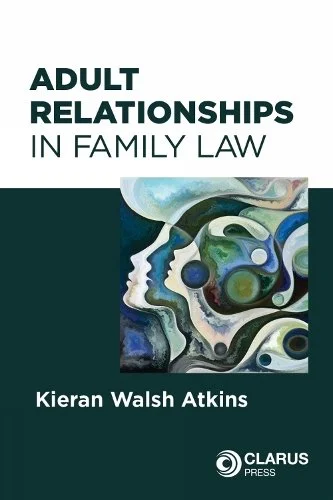
Published: September 2026
Format: Paperback
Edition: 1st
Extent: 600 pages
ISBN: 9781917134286
Dimensions: 234 × 156mm
Publisher: Clarus Press
Adult Relationships in Family Law outlines the legal rules relating to the family life of adults in Ireland. It examines the formation and dissolution of relationships, as well as the property consequences of relationship breakdown for married and unmarried couples. In addition, it analyses the State’s response to domestic abuse, including the remedies available to victims.
This book also explores private international family law, from the recognition of foreign marriages to the recognition and enforcement of maintenance orders. Focusing on the substantive law, rather than practice and procedure, Adult Relationships in Family Law will be invaluable to both academics and practitioners. Its outlines and explores the legal regulation of intimate relationships in unparalleled depth and breadth. It does so by relying not only on the extraordinary proliferation of Irish judgments concerning family matters, but also the most important global scholarship charting how the current rules came to be as well as how they are working. Adult Relationships in Family Law provides significant coverage of international legal issues affecting families, including an analysis of relevant EU, ECHR, and Hague Conference developments.
Content Includes
Chapter 1 The Constitutional Regulation of Adult Relationships
Chapter 2 Formal Relationships: Marriage and Civil Partnership
Chapter 3 Nullity Of Marriage
Chapter 4 Separation, Divorce and Dissolution
Chapter 5 Private Ordering of Financial Disputes
Chapter 6 Ancillary Relief I – Concepts and Principles
Chapter 7 Ancillary Relief II – Preliminary and Ancillary Orders
Chapter 8 Financial Support in Family Law
Chapter 9 The Rights and Duties of Cohabitants
Chapter 10 Family Property
Chapter 11 Domestic Abuse
Chapter 12 Private International Law and Adult Relationships
Who Should Buy this Book?
Adult Relationships in Family Law is a comprehensive yet accessible textbook
written for both legal academics and practitioners. This book will also be of great
interest to anyone with a general interest in family law.
About the Author
Dr Kieran Walsh Atkins is Associate Professor of Law, Families and Society at the
University of Portsmouth. A graduate of both UCC and King’s Inns, he practised in
family law at the Irish bar before moving into full-time academic work. He completed
his PhD at the University of Nottingham and has published extensively on family and
child law in both Ireland and the UK.
AUTHOR: David Cowan
ISBN: 9781526531001
FORMAT: Hardback
PUBLISHER: Bloomsbury Professional
PUB DATE: 19 September 2025

AUTHOR(S): Dr. Maebh Harding, Dr. Deirdre McGowan
ISBN: 9781911611875
FORMAT:Paperback
PUBLISHER: Clarus Press
PUBLISHING: 12 October 2023

ISBN: 9781975169527
The ideal introductory text for a rigorous approach to biomechanics, Biomechanical Basis of Movement, Fifth Edition helps build a precise, comprehensive grasp of the full continuum of human movement potential.
Focusing on the quantitative nature of biomechanics, this exacting but approachable text applies laws of motion and mechanics to in-depth analysis of specific movements, integrating current literature, meaningful numerical examples, relevant applications, hands-on exercises and functional anatomy, physics, calculus and physiology. Content is organized into sections that build upon each other to offer a structured introduction to biomechanics as it relates to exercise science. The extensively updated Fifth Edition emphasizes clinical relevance with integrated examples and questions and offers an expansive suite of digital resources, including new artwork, animations, and multiple eBook options to make mastery of biomechanics more accessible than ever.
UPDATED! Content reflects the latest perspectives on functional anatomy and highlights the clinical relevance of biomechanics for successful Allied Health practice.
UPDATED! Extensively revised illustrations clarify anatomical structures and movements in full color.
NEW! Animations available within the VitalSource® eBook and on thePoint reinforce functional anatomy and mechanical motion concepts with vibrant detail.
NEW! Problem calculators built into the VitalSource® eBook, provide essential practice using different formulas to answer questions.
Chapter objectives, outlines, and summaries focus your attention on essential concepts and reinforce key takeaways.
Review questions at the end of each chapter test your comprehension and challenge you to apply concepts in a clinical context.
Lippincott® Connect features:
Lifetime access to the digital version of the book with the ability to highlight and take notes on key passages for a more personal, efficient study experience.
Carefully curated resources, such as interactive diagrams, video tutorials, organ sounds, and self-assessment, all designed to facilitate further comprehension.
Lippincott® Connect also allows users to create Study Collections to further personalize the study experience. With Study Collections you can:
Pool content from books across your entire library into self-created Study Collections based on discipline, procedure, organ, concept or other topics.
Display related text passages, video clips and self-assessment questions from each book (if available) for efficient absorption of material.
Annotate and highlight key content for easy access later.
Navigate seamlessly between book chapters, sections, self-assessments, notes and highlights in a single view/page.

ISBN: 9781451193831
Setting the standard for more than 30 years, Exercise Physiology has helped more than 350,000 students build a solid foundation in the scientific principles underlying modern exercise physiology.
This Eighth Edition is updated with the latest research in the field to give you easy-to-understand, up-to-date coverage of how nutrition, energy transfer, and exercise training affect human performance.
A vibrant new full color "magazine style" design, along with updated art in every chapter, works hand in hand with the descriptive content, making even complex topics easier to understand and key information easier to locate.
Throughout the text, the authors apply exercise physiology principles to practical skills, illustrate how theory comes to life through research, and clarify complex issues and problems. References posted online provide the evidence behind the science, as well as a complete list for further reading.
Get quick access to the resources available to help you master each section of the text with "Ancillaries at a Glance."
Maximize your study time with the book's vibrant, "magazine style" design that makes the content more engaging and accessible and key information easier to find.
Reinforce your understanding with Chapter Objectives, Integrative Questions that pose open-ended questions for reflection on complex concepts, and FYI sections that offer "good to know" information.
Gain an understanding of how researchers contribute to our knowledge of exercise physiology through engaging section-opening interviews with key figures in the field.
Learn how theoretical concepts relate to practical skills through "In a Practical Sense" features.
Access the most relevant current information in the field through figures and tables that clarify important concepts and information.
Gain an understanding of the past, present, and future of the profession through coverage of important milestones and future directions in the field.
Visit the free companion website for anywhere, anytime access to over 30 animations of key exercise physiology concepts, the book's complete list of references, and more.
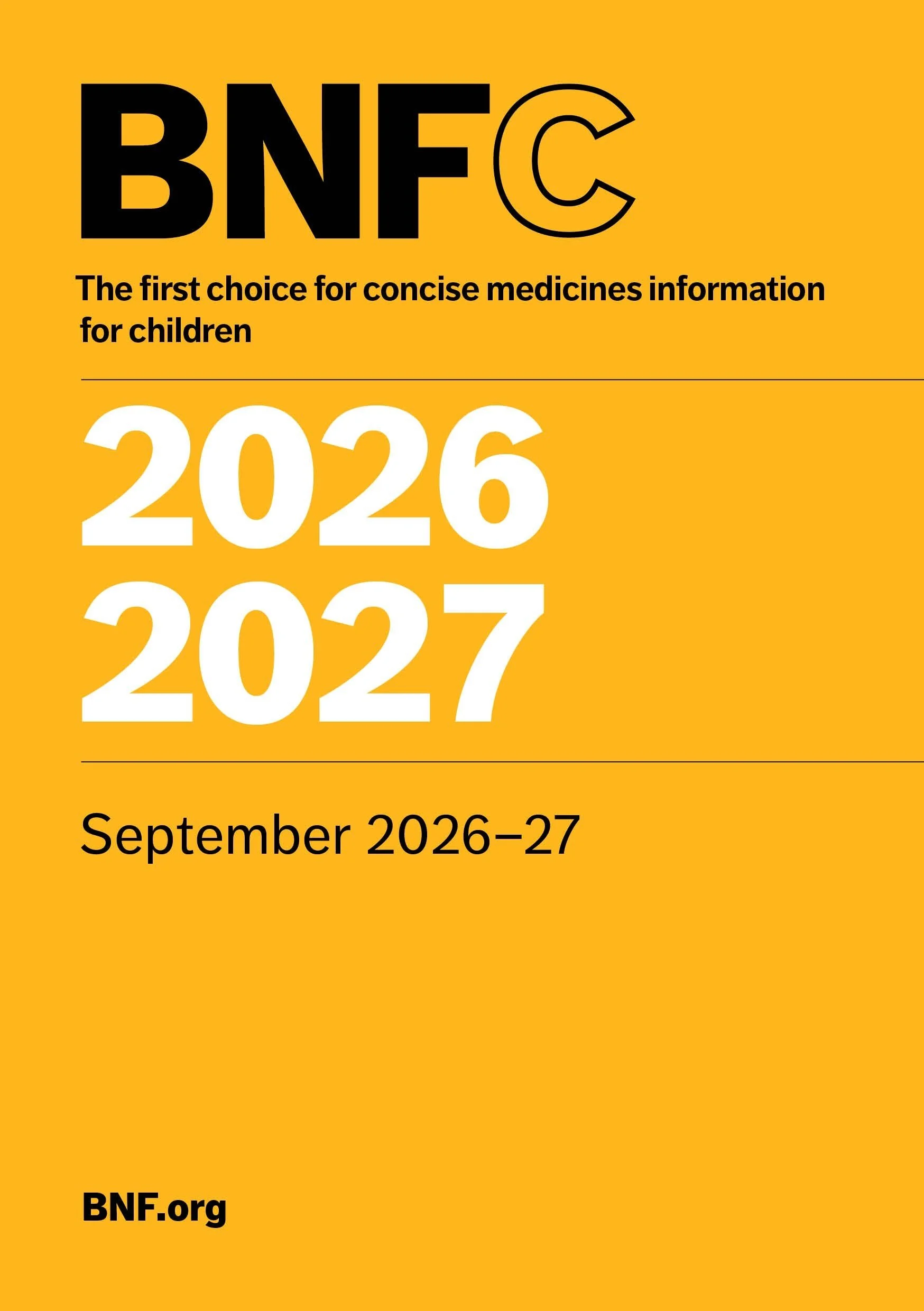
September 2026 edition
ISBN: 9780857114976
£89.99 Sterling RRP
Practical and evidence-based, BNF for Children (BNFC) is the only child-focused drug formulary in the world that is both independent, and has rigorous, accredited content creation processes.
Relied on by health professionals who prescribe, dispense, and administer medicines to paediatrics, BNFC supports confident decision-making at the point of care. including best practice guidelines and advice from a network of paediatric experts. The process is overseen by a paediatric formulary committee.
Extensive content updates in the BNF for Children 2026-2027 edition include:
New monographs for:
Abrysvo® [respiratory syncytial virus vaccine] for passive immunisation against respiratory syncytial virus
Alyftrek® [deutivacaftor with tezacaftor and vanzacaftor] for cystic fibrosis
Imvanex® [smallpox and mpox vaccines] for pre-exposure immunisation and post-exposure prophylaxis against smallpox and mpox infection
Nemluvio® [nemolizumab] for moderate-to-severe atopic eczema
Noxafil® [posaconazole] for treatment of fungal infections (including invasive aspergillosis, fusariosis, chromoblastomycosis, coccidioidomycosis, and mycetoma) when first-line treatment options are ineffective or not tolerated, and prophylaxis of invasive fungal infections in high-risk patients
Piperaquine phosphate with artenimol for treatment of uncomplicated malaria
Tzield® [teplizumab] for type 1 diabetes mellitus
Vimkunya® [chikungunya vaccine (inactivated)] for immunisation against chikungunya
Zavicefta® [ceftazidime with avibactam] for complicated intra-abdominal infection, complicated urinary tract infection, hospital-acquired pneumonia, and aerobic Gram-negative infections
MHRA advice on:
GLP-1 receptor agonists and dual GLP-1/GIP receptor agonists: strengthened warnings on acute pancreatitis, including necrotising and fatal cases (advice provided in dulaglutide, liraglutide, and semaglutide drug monographs)
Improving information supplied with gabapentinoids (pregabalin/gabapentin), Benzodiazepines and Z-drugs (advice provided in gabapentin and all benzodiazepines drug monographs)
Isotretinoin: changes to prescribing guidance and additional risk minimisation measures
Ivacaftor with tezacaftor and elexacaftor (Kaftrio®): risk of psychological side effects
Mesalazine: risk of idiopathic intracranial hypertension
Paracetamol: reminder that taking paracetamol during pregnancy remains safe
Short-acting beta2-agonists (SABA) (salbutamol and terbutaline sulfate): reminder of the risks from overuse in asthma and to be aware of changes in the SABA prescribing guidelines
Semaglutide (Wegovy®, Ozempic®, and Rybelsus®): risk of non-arteritic anterior ischaemic optic neuropathy (NAION)
Thiopurines: risk of intrahepatic cholestasis of pregnancy (advice provided in azathioprine, mercaptopurine, and tioguanine drug monographs)
Valproate: updated safety and educational materials to support patient discussion on reproductive risks
Other significant changes include updated guidance on:
Aciclovir: new dosing for post-exposure prophylaxis of varicella zoster infection
Adrenaline/epinephrine: name change to adrenaline
Amoxicillin: updated indications and dose for prophylaxis of recurrent urinary-tract infection
Antibacterials, principles of therapy: updated guidance on notifiable diseases
Antibacterials, use for prophylaxis: updated guidance for endoscopic retrograde cholangiopancreatography and for Haemophilus influenzae type b infection
Asthma, acute: update to criteria for severity of acute asthma attacks
Budesonide with formoterol (Symbicort 100/6 Turbohaler ®): updated dosing for asthma, maintenance and reliever therapy
Cefalexin: updated indications and dose for prophylaxis of recurrent urinary-tract infection
COVID-19: updated vaccine monograph and guidance on management of COVID-19
Epilepsy: updated guidance on management
Genital system infections, antibacterial therapy: updated guidance for management of uncomplicated gonorrhoea
Givinostat: new important safety information
Helminth infections: updated guidance for roundworm and hookworm infections
Hepatitis B vaccine: updated guidance for post-exposure prophylaxis of neonates
Herpesvirus infections: updated guidance for post-exposure prophylaxis against chickenpox or shingles
Immunisation schedule: updated guidance
Influenza vaccine (live): update to cautions
Life support algorithm: newborn life support algorithm, paediatric basic life support algorithm, paediatric out-of-hospital basic life support algorithm, and paediatric advanced life support algorithm images updated
Liraglutide: monograph updated to incorporate new preparations
Malaria, treatment: updated guidance
Nitrofurantoin: updated indications and dose for prophylaxis of recurrent urinary-tract infection
Noradrenaline/norepinephrine: name change to noradrenaline
Normal immunoglobulin: new dosing for post-exposure prophylaxis of varicella-zoster infection
Ocular corticosteroids and ocular NSAIDs: update to cautions
Penicillins and Penicillamine: harm from incorrect recording of a penicillin allergy as a penicillamine allergy [National Patient Safety Alert advice]
Rasburicase: harm from delayed administration of rasburicase for tumour lysis syndrome [National Patient Safety Alert advice]
Respiratory system infections, antibacterial therapy: updated guidance on community-acquired pneumonia and hospital acquired pneumonia
Sepsis: updated guidance on intravenous fluids and vasopressors
Trimethoprim: updated indications and dose for prophylaxis of recurrent urinary-tract infection
Vaccination, general principles: updated guidance for vaccines and asplenia, splenic dysfunction, or complement disorders and updated guidance on vaccination in pregnancy
Vitamins: updated guidance for management of vitamin D deficiency
Zanamivir: update to indications for prophylaxis and treatment of influenza
BNFC is published jointly by BMJ Group, Pharmaceutical Press, RCPCH, and NPPG.

ISBN 9780853696025
Pharmaceutical Calculations Workbook is the companion self-study aid to Introduction to Pharmaceutical Calculations . It contains practice calculations (with answers) similar to those encountered in pharmacy exams and in practice.
Each chapter contains a variety of exercises for practising calculations using the methods covered in the companion text. Tables for completion are included in addition to individual drug- or patient-specific questions.
This workbook will be invaluable to pharmacy students and preregistration pharmacists, as well as others who want to practise basic pharmaceutical calculations.

Rees, Judith A; Smith, Ian; Watson, Jennie
ISBN 9780857111685
Introduction to Pharmaceutical Calculations is your comprehensive guide to successfully performing pharmaceutical calculations. Now in its fourth edition, this popular book covers everything you need to know to pass those all important pharmacy calculation exams.
Every chapter contains learning objectives, worked examples and sample questions and has been fully updated.
Brand new features include:
Introduction (including expert tips for approaching calculations)
Doses in children
8 short videos (to help you grasp some of the key concepts) covering:
Simple dilution
Proportional sets
Conversion of units
Representations of concentrations
Mixing two concentrations without a final volume
Displacement values
Parenteral doses
Moles
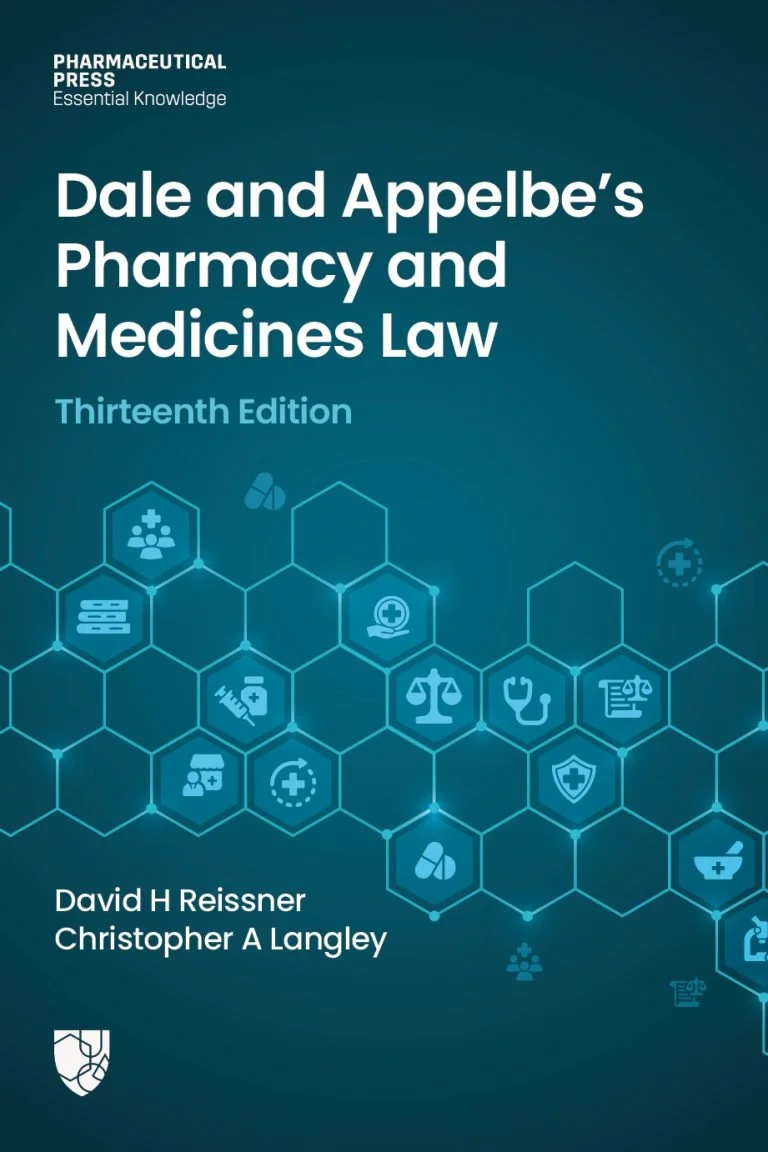
ISBN: 9780857114938
Published: 7th Aug, 2025
RRP: £70 Stg
Type: Paperback
Dimensions: 234x156mm
Page count: 600
Dale and Appelbe’s Pharmacy and Medicines Law covers law and professional regulation and is firmly established as the definitive student textbook and reference work on this subject in Great Britain.
This edition has been extensively revised to include:
New chapters on Hospital pharmacy and Online pharmacy
Expanded coverage of manufacturing and clinical trials
Addition of new case law to many of the chapters
Topical issues are covered and illustrated by action taken by regulators
Changes in the law since the 12th edition, including:
Regulations governing veterinary medicines.
Many changes resulting from Brexit, and the Windsor Framework which came into force on 1 January 2025.
New legal duties of superintendent pharmacists and responsible pharmacists.
Chief pharmacists.
Original pack dispensing.
New case law on pharmacist supervision.
Medical examiners.
From Foreword in the new edition "Pharmacy has an honourable tradition as keeper of the health professions' body of knowledge and professional conscience when it comes to medicines and the complex laws governing their safe and effective use. This new, 13th edition of Dale and Appelbe's Pharmacy and Medicines Law provides essential underpinning for this unique and enduring aspect of the pharmacy professions' vocation”
Duncan Rudkin, CEO, General Pharmaceutical Council, April 2025
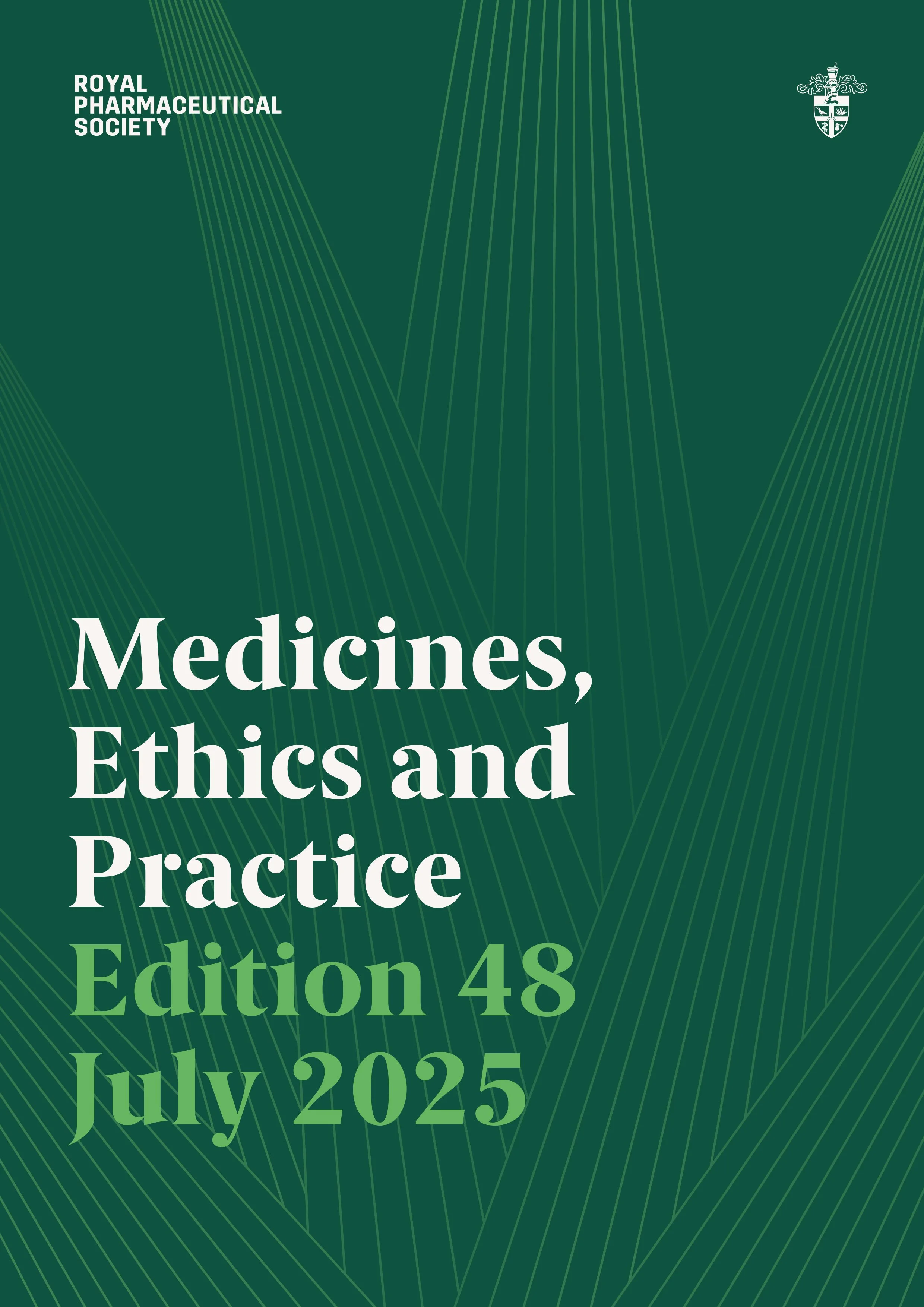
ISBN: 9780857114952
£70 Sterling RRP
Published July 2025
Medicines, Ethics and Practice is the Royal Pharmaceutical Society’s established professional guide for pharmacists. Updated and revised annually, it is a practical resource which helps pharmacists practice confidently and professionally.
It embeds professionalism at the heart of decision-making processes and provides essential information, supporting the pharmacist in their day-to-day practice.
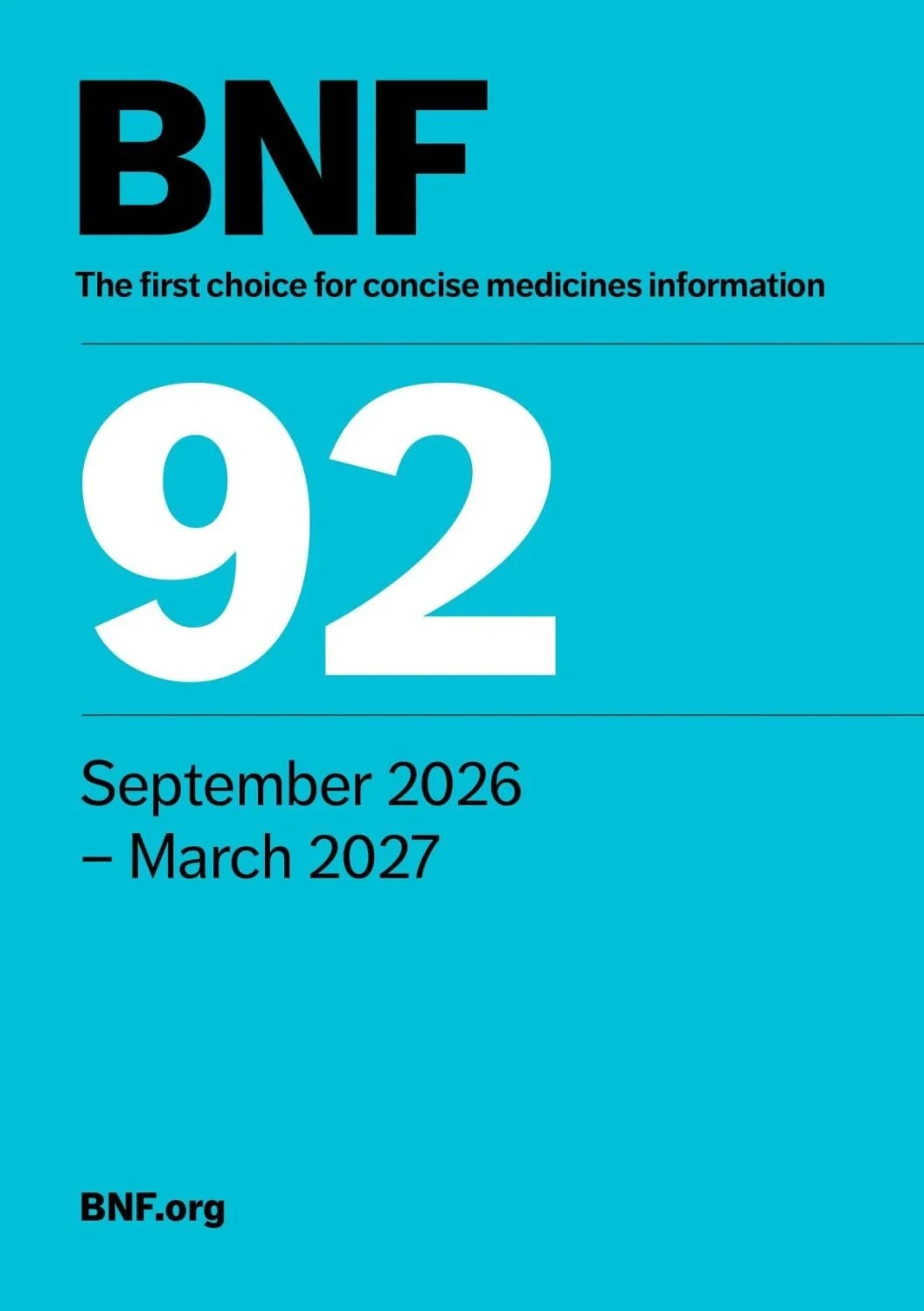
September 2026 edition
ISBN: 9780857114990
£89.99 Sterling RRP
The first choice for concise medicines information
Practical and evidence based, British National Formulary (BNF) is the only drug formulary in the world that is both independent, and has rigorous, accredited content creation processes.
Practical and evidence-based, BNF is an integral part of the UK’s healthcare infrastructure and relied on by health professionals who prescribe, dispense, and administer medicines globally. Containing guidance on best practice in prescribing, as well as legal and ethical considerations, BNF supports safe and effective decision-making at the point of care.
Extensive content updates in the BNF 92 edition include:
New monographs for:
Imvanex® [smallpox and mpox vaccines] for pre-exposure immunisation and post-exposure prophylaxis against smallpox and mpox infection
Lyfnua® [gefapixant] for chronic cough
MHRA advice on:
Chikungunya vaccine (live) (IXCHIQ®): updates to restrictions of use following safety review
GLP-1 receptor agonists and dual GLP-1/GIP receptor agonists: strengthened warnings on acute pancreatitis, including necrotising and fatal cases (advice provided in dulaglutide, liraglutide, semaglutide, and tirzepatide drug monographs)
Improving information supplied with Gabapentinoids (pregabalin/gabapentin), Benzodiazepines and Z-drugs (advice in provided in gabapentin, pregabalin, all benzodiazepines, eszopiclone, zolpidem tartrate, and zopiclone drug monographs)
Isotretinoin: changes to prescribing guidance and additional risk minimisation measures
Mesalazine: risk of idiopathic intracranial hypertension
Semaglutide (Rybelsus®): transition to new formulation and risk of medication error
Semaglutide (Wegovy®, Ozempic®, and Rybelsus®): risk of non-arteritic anterior ischaemic optic neuropathy (NAION)
Other significant changes include updated guidance on:
5α-reductase inhibitors (dutasteride and finasteride): update to monitoring
Adrenaline/epinephrine: name change to adrenaline
Antibacterials, use for prophylaxis: updated guidance for endoscopic retrograde cholangiopancreatography, transrectal prostate biopsy, and transurethral resection of prostate
Cannabis extract: name change to cannabidiol with dronabinol
Ceftazidime with avibactam: new indication and dose for bacteraemia and update to indication for Gram-negative infections
Chronic heart failure: updated guidance on management
COVID-19 vaccines: updated guidance on the Spring 2026 immunisation campaign
Cyclogest® pessaries [progesterone]: new indication and dose for prevention of preterm birth
Diarrhoea (acute): updated guidance on the use of antibacterial drugs for acute diarrhoea
Epilepsy: updated guidance on management
Givinostat: new important safety information
Helminth infections: updated guidance for roundworm and hookworm infections
Hepatitis B vaccine: updated guidance for post-exposure prophylaxis of neonates
Immunisation schedule: updated guidance for immunisation against respiratory syncytial virus
Influenza: updated guidance on management
Migraine: updated guidance on management
Noradrenaline/norepinephrine: name change to noradrenaline
Obinutuzumab: new indication and dose for lupus nephritis
Penicillins and Penicillamine: harm from incorrect recording of a penicillin allergy as a penicillamine allergy [National Patient Safety Alert advice]
Prednisolone: new indications and doses for adrenalin sufficiency and congenital adrenal hyperplasia
Respiratory system infections, antibacterial therapy: updated guidance on community-acquired pneumonia and hospital-acquired pneumonia
Semaglutide (Wegovy®): update to indications and dosing for weight management
Sepsis: updated guidance on intravenous fluids and vasopressors
Vaccination, general principle: updated guidance on vaccination in pregnancy
Vitamins: updated guidance for management of vitamin D deficiency
Vutrisiran: new indications and dose for treatment of wild-type and hereditary transthyretin amyloidosis inpatients with cardiomyopathy
Zanamivir: update to indications for prophylaxis and treatment of influenza
BNF is published jointly by BMJ Group and Pharmaceutical Press.
Summary:
This comprehensive textbook on managing organisations from a strategic perspective covers a broad range of topics, from leadership and organisational culture through to the evaluation of strategic options and the implementation of strategy.
Publisher: Chartered Accountants Ireland
ISBN: 9781917822367
Published: September, 2026.
Format: Paperback, 666 pages.
It is aimed at both undergraduate and post-graduate business students, as well as those preparing for final examinations of the professional accountancy bodies.
Subjects covered include:
leadership and organisational culture;
creating a vision for the organisation;
corporate governance, business ethics and ‘environmental, social and governance’ (ESG);
analysis of the business environment and strategic capability;
evaluation of strategic options;
implementation of strategy; and
leading change.
Each chapter in this fourth edition includes updated examples, illustrations and references throughout. The importance of good governance and leadership for effective corporate strategy is highlighted, including the evolution of ‘ESG’ from corporate social responsibility, and its contemporary application. This new edition also features pervasive analysis of how digital technologies, such as artificial intelligence, can be used as tools in developing and implementing strategy.
Written in an accessible style and from an Irish perspective, this textbook presents up-to-date examples from a wide variety of Irish organisations and well-known multinational corporations, as well as an appendix of 16 case studies, six of which are wholly new, for students to analyse and discuss.
About the Author:
Gerry Gallagher is Managing Director of GBCL Governance Ltd, which provides consulting services in corporate governance and strategy for a wide variety of organisations. Previously, Gerry lectured in the Munster Technological University for two decades at undergraduate level as well as on the Master of Business and MBA programmes. He also taught on the Final Admitting Examination programme of CAI. Gerry is a former Irish Army officer with experience in operational units, Army Headquarters and on active service with the United Nations in Lebanon.